Future Planning for Integrated Ceramic Pressure Sensor Modules
A useful reading piece for teams studying how integrated ceramic module design is evolving and how that direction may affect long-term product platform planning.
Read Article
Huaxinlian ceramic pressure sensing supply
The CPS18635MV2 series is built for purchasing teams and product developers sourcing a compact voltage-output ceramic pressure module for industrial controls, pumps, compressors, water systems, and automotive-related assemblies. The published configuration combines broad pressure coverage with a compact form factor that is practical for sample review and batch planning.
For buyers comparing integrated ceramic pressure sensor modules, this product family gives a clear starting point with listed supply voltage, output signal, overload and burst data, operating temperature range, and working media coverage across multiple model codes.
Teams reviewing ceramic pressure sensor manufacturers can use this page to compare package thickness, pressure range options, customization potential, and supplier communication before moving from technical screening to quotation discussion.
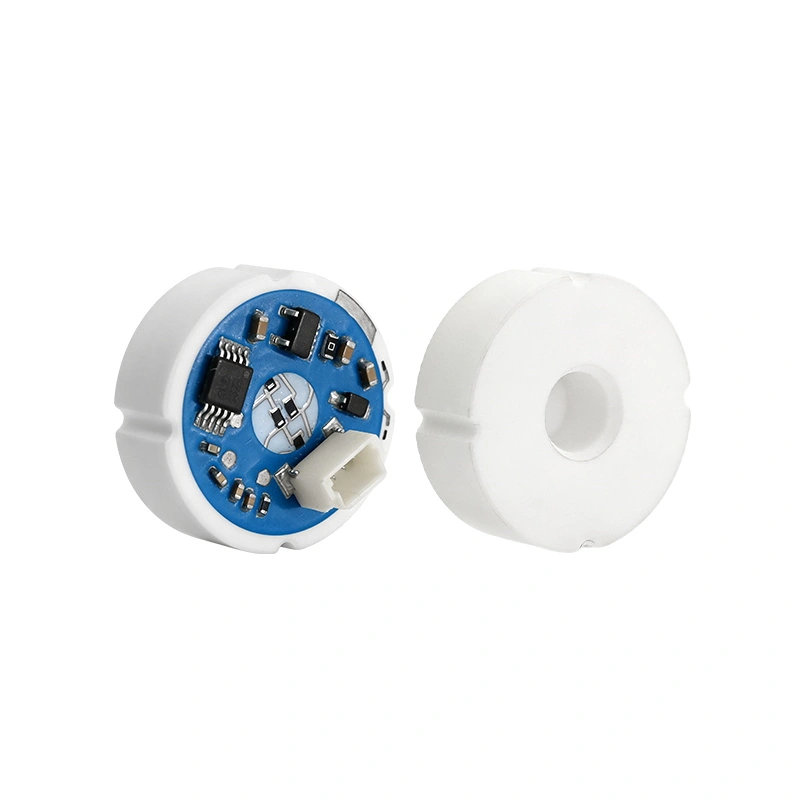

This monolithic ceramic module is aimed at equipment builders that need stable pressure measurement with a straightforward voltage output interface. It supports industrial product teams evaluating pressure monitoring hardware for water handling, oil systems, gas measurement, refrigerant-related assemblies, coolant circuits, and general process equipment.
The supplier page also notes support for output signal customization, which is useful for buyers preparing a platform-based sourcing plan across multiple projects. During evaluation, teams can compare pressure range coverage, response time, media compatibility, thermal conditions, and packaging fit before shortlisting the final model code.
| Series | CPS18635MV2 / CPS18350MV2 |
|---|---|
| Type | Monolithic pressure sensing module |
| Package Size | 18 x 6.35 mm and 18 x 3.50 mm series options |
| Supply Voltage | 5.0 to 16.0V DC |
| Working Current | 10 mA maximum |
| Output Signal | 0.5 to 4.5V DC |
| Working Pressure | Listed model ranges from 0 to 2 bar up to 0 to 600 bar |
| Overload Pressure | Up to 2 x full scale, model dependent |
| Burst Pressure | Up to 5 x full scale on listed ranges, model dependent |
| Operating Temperature | -40C to 125C |
| Storage Temperature | -40C to 150C |
| Nonlinearity | 0.25% FS maximum |
| Hysteresis and Repeatability | 0.25% FS maximum |
| Response Time | 2 ms maximum |
| Working Media | Oil, water, gas, refrigerant, coolant, chemical solvents, and detergents |
This family spans low to high pressure ranges, giving sourcing teams a practical route to standardize pressure module selection across several equipment platforms while keeping the same series logic.
The listed voltage output, compact ceramic structure, and stated signal customization support help engineering and purchasing teams align the module with different controller and application requirements.
Published compatibility with water, oil, gas, refrigerant, coolant, solvents, and detergents supports preliminary evaluation for equipment used in demanding industrial and utility environments.
These site articles can help buyers compare module direction, equipment integration, and ceramic sensor selection factors during procurement review.
A useful reading piece for teams studying how integrated ceramic module design is evolving and how that direction may affect long-term product platform planning.
Read ArticleThis article supports engineering and sourcing teams that need to assess how ceramic pressure module choices influence equipment architecture, signal handling, and design fit.
Read ArticleA practical reference for buyers reviewing material suitability, operating conditions, and why ceramic sensing technology is often shortlisted for demanding industrial duty.
Read ArticleThese sample review perspectives reflect the kind of sourcing questions teams raise when comparing ceramic pressure module suppliers.
Five-star rating
The published pressure ranges and output details gave our engineering and sourcing teams a practical basis for comparing several module codes before sample approval. The contact path was also clear for technical follow-up.
Five-star rating
We needed a ceramic module family that could cover different pressure points within one sourcing program. The listed media compatibility and compact format helped our team prepare a structured internal comparison.
Five-star rating
The combination of voltage output, wide temperature coverage, and multiple model variants made the review process more efficient for our product team. It was useful to have clear baseline data before engaging on customization.
The CPS18635MV2 series combines a compact ceramic module format, voltage output, broad pressure range coverage, and support for signal customization. Procurement teams can review output requirements, media compatibility, mounting constraints, and planned batch volumes before moving into sampling and project approval.
The listed CPS18635MV2 family covers multiple gauge pressure ranges, starting at 0 to 2 bar and extending up to 0 to 600 bar depending on the model. Buyers should confirm the exact working range, overload requirement, and burst expectation for the end equipment before selecting a specific code.
The product page lists a 0.5 to 4.5V DC output with a 5.0 to 16.0V DC supply range, while the supplier also notes support for other signal customization options. Purchasing and engineering teams should align the pressure module output with the controller input, calibration method, and harness design used in the final assembly.
The published media list includes oil, water, gas, refrigerant, coolant, chemical solvents, and detergents. Buyers should still review media concentration, contamination level, temperature range, and long-term exposure conditions so the chosen module matches the actual operating environment.
The main comparison points are package thickness, available pressure ranges, installation envelope, and system-level mechanical fit. Teams should compare board space, cavity depth, sealing method, and connector layout together with the required pressure range before locking in the preferred version.
A practical inquiry should include the target pressure range, output signal preference, working medium, operating temperature, expected annual quantity, application type, and any customization requirements. Clear project details help the supplier recommend a suitable module variant and prepare technical feedback for sample review.